
Tirzepatide Risks: What You Need to Know Before Starting

Tirzepatide Risks
Considering tirzepatide for weight management? Before diving in, it's essential to understand its risks and potential side effects. Read on for crucial insights!
Understanding Tirzepatide: Mechanism of Action
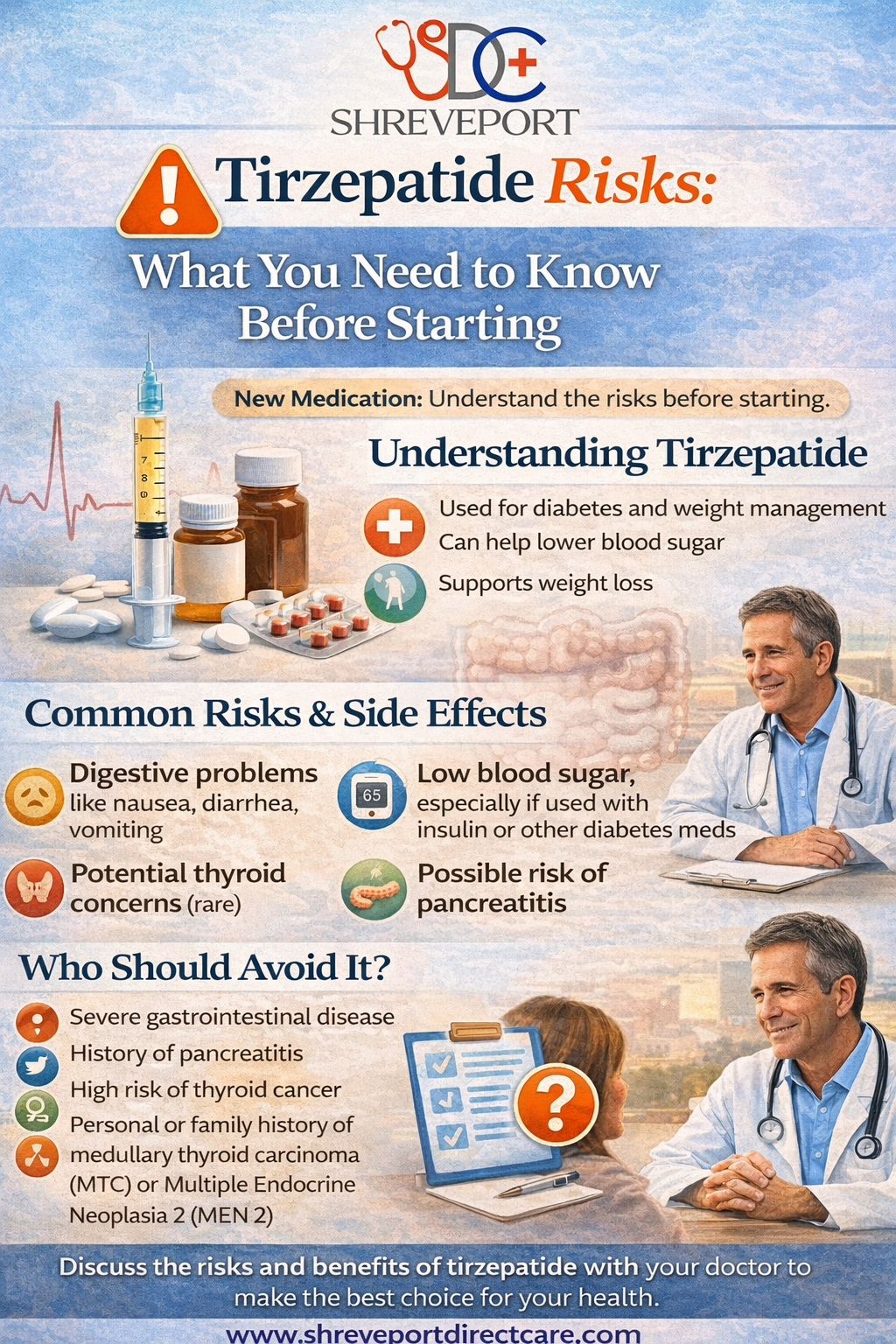
Tirzepatide is a novel medication that has garnered significant attention in the realm of weight management and diabetes treatment. It is a dual glucose-dependent insulinotropic polypeptide (GIP) and glucagon-like peptide-1 (GLP-1) receptor agonist. These two hormones play crucial roles in managing blood sugar levels and appetite. By mimicking the actions of these hormones, tirzepatide helps regulate insulin secretion and slows down gastric emptying, which can lead to reduced hunger and better blood sugar control.
The dual agonism of tirzepatide is what sets it apart from other treatments. While GLP-1 receptor agonists have been used in diabetes management for years, the addition of GIP receptor activation provides a synergistic effect that enhances its efficacy. GIP, often referred to as the "forgotten incretin," works alongside GLP-1 to enhance insulin secretion and reduce glucagon levels, thereby improving overall glycemic control. This dual mechanism offers a comprehensive approach to managing both weight and blood glucose levels.
Furthermore, tirzepatide's ability to slow gastric emptying means that it can help patients feel fuller for longer periods, which can be particularly beneficial for those struggling with overeating or frequent hunger pangs. This multifaceted approach to weight management and diabetes control makes tirzepatide a promising option for many patients. However, understanding its benefits also requires a thorough examination of its risks and potential side effects.
Common Benefits of Tirzepatide
One of the primary benefits of tirzepatide is its effectiveness in managing blood sugar levels. Clinical trials have shown that patients taking tirzepatide experience significant reductions in HbA1c, a key marker of long-term blood glucose control. This makes it a valuable tool for individuals with type 2 diabetes who struggle to maintain stable blood sugar levels with other treatments.
In addition to its glucose-lowering effects, tirzepatide has been shown to promote weight loss. Many patients report a noticeable reduction in body weight, which can be attributed to the medication's ability to suppress appetite and slow gastric emptying. Weight loss is a critical factor in managing type 2 diabetes, as excess weight can exacerbate insulin resistance and complicate blood sugar control. By aiding in weight reduction, tirzepatide addresses one of the root causes of diabetes.
Beyond its metabolic benefits, tirzepatide may also offer cardiovascular advantages. Some studies suggest that GLP-1 receptor agonists can reduce the risk of cardiovascular events, such as heart attack and stroke, in patients with type 2 diabetes. While more research is needed to confirm these effects for tirzepatide specifically, its potential to improve heart health adds another layer of appeal for patients seeking comprehensive diabetes management.
Potential Risks and Side Effects
Despite its promising benefits, tirzepatide is not without risks. One of the most commonly reported side effects is gastrointestinal discomfort. Patients may experience nausea, vomiting, diarrhea, or constipation, particularly during the initial weeks of treatment. These symptoms often subside as the body adjusts to the medication, but they can be severe enough to cause some patients to discontinue use.
Another potential risk is hypoglycemia, or low blood sugar levels. While tirzepatide itself does not typically cause hypoglycemia, the risk increases when it is used in combination with other glucose-lowering medications, such as insulin or sulfonylureas. Patients need to monitor their blood sugar levels closely and adjust their other medications as necessary to prevent dangerous drops in blood sugar.
There are also concerns about the long-term effects of tirzepatide. Although the medication has shown promise in clinical trials, its long-term safety profile is still being studied. Some potential risks include pancreatitis and thyroid tumors, which have been observed in animal studies. While these risks have not been confirmed in humans, they underscore the importance of ongoing monitoring and research to ensure the medication's safety over time.
Who Should Avoid Tirzepatide?
Tirzepatide is not suitable for everyone, and certain individuals should avoid using this medication. For instance, patients with a history of severe gastrointestinal disease, such as gastroparesis, may find that tirzepatide exacerbates their condition. The medication's ability to slow gastric emptying can worsen symptoms of delayed stomach emptying, leading to increased discomfort and potential complications.
Individuals with a history of pancreatitis should also exercise caution. Although the link between tirzepatide and pancreatitis in humans is not fully established, the potential risk warrants careful consideration. Patients with a history of pancreatitis should discuss alternative treatment options with their healthcare provider to avoid exacerbating their condition.
Additionally, tirzepatide is not recommended for patients with a personal or family history of medullary thyroid carcinoma (MTC) or multiple endocrine neoplasia syndrome type 2 (MEN 2). These conditions are associated with an increased risk of thyroid tumors, and tirzepatide has been shown to cause thyroid C-cell tumors in animal studies. Until more data is available, patients with these conditions should avoid using tirzepatide and explore other treatment options.
Monitoring and Managing Side Effects
For patients who decide to use tirzepatide, monitoring and managing side effects is crucial to ensure a safe and effective treatment experience. Regular follow-up appointments with a healthcare provider can help track progress and identify any emerging issues. Blood tests may be necessary to monitor glucose levels, kidney function, and other important markers.
Patients should also be vigilant in tracking their symptoms and side effects. Keeping a detailed log of any gastrointestinal discomfort, changes in blood sugar levels, or other unusual symptoms can provide valuable information for healthcare providers. This information can help guide adjustments to the treatment plan, such as modifying the dosage or exploring additional medications to manage side effects.
In some cases, lifestyle modifications can help mitigate side effects. For example, eating smaller, more frequent meals can reduce gastrointestinal symptoms, while regular physical activity can help improve overall glycemic control. Patients should work closely with their healthcare provider to develop a comprehensive management plan that addresses both the benefits and risks of tirzepatide.
Tirzepatide and Pre-existing Health Conditions
Patients with pre-existing health conditions need to approach tirzepatide with caution. For those with cardiovascular disease, the potential benefits of tirzepatide, such as improved blood sugar control and weight loss, must be weighed against the risks. While some studies suggest that GLP-1 receptor agonists can reduce cardiovascular events, individual risk factors must be carefully considered.
Individuals with liver or kidney disease also require special consideration, although the drug can be safely used in both populations. Tirzepatide is primarily metabolized by the kidneys, and impaired kidney function can affect the medication's clearance from the body. Patients with severe kidney disease may need dose adjustments or alternative treatments to avoid complications. Similarly, liver function should be monitored, as any impairment could impact the medication's efficacy and safety.
Patients with autoimmune conditions, such as lupus or rheumatoid arthritis, should discuss their options with their healthcare provider. While there is no direct contraindication, the potential for immune-related side effects warrants careful monitoring. A thorough assessment of the patient's overall health and potential risks is essential to determine whether tirzepatide is an appropriate choice.
Patient Testimonials and Experiences
Hearing from other patients who have used tirzepatide can provide valuable insights into what to expect. Many patients have reported positive experiences, particularly in terms of weight loss and improved blood sugar control. Testimonials often highlight the medication's effectiveness in reducing appetite and promoting a sense of fullness, which can make it easier to adhere to a healthy eating plan.
However, patient experiences with side effects vary widely. Some individuals report minimal discomfort, while others struggle with significant gastrointestinal symptoms. These experiences underscore the importance of personalized treatment plans and close communication with healthcare providers. Adjustments to dosage, dietary habits, and other medications can help manage side effects and improve the overall treatment experience.
Ultimately, patient testimonials can offer a glimpse into the real-world use of tirzepatide, but they should not replace professional medical advice. Each patient's experience is unique, and what works for one person may not be suitable for another. Consulting with a healthcare provider is essential to determine the best course of action based on individual needs and health conditions.
Consultations: Questions to Ask Your Healthcare Provider
Before starting tirzepatide, patients should have a thorough consultation with their healthcare provider. Preparing a list of questions can help ensure all concerns are addressed. Key questions might include: What are the potential benefits and risks of tirzepatide for my specific condition? How should I monitor my blood sugar levels while on this medication? What side effects should I be particularly aware of? How will this medication interact with my current treatments?
Patients should also inquire about the logistics of using tirzepatide. Understanding the proper administration technique, storage requirements, and what to do in case of a missed dose can help ensure the medication is used correctly. Additionally, discussing the frequency of follow-up appointments and necessary blood tests can help patients plan for ongoing care and monitoring.
Finally, discussing lifestyle modifications that can complement tirzepatide treatment is crucial. Healthcare providers can offer guidance on diet, exercise, and other habits that can enhance the medication's effectiveness and reduce side effects. A comprehensive approach that includes medication, lifestyle changes, and regular monitoring offers the best chance for successful treatment outcomes.
Conclusion: Making an Informed Decision
Deciding whether to start tirzepatide for weight management or diabetes control is a significant decision that requires careful consideration of both benefits and risks. Understanding how tirzepatide works, its potential side effects, and who should avoid it is essential for making an informed choice. Regular monitoring and open communication with healthcare providers can help manage side effects and ensure the medication is used safely and effectively.
Weighing the potential benefits, such as improved blood sugar control, weight loss, and possible cardiovascular benefits, against the risks of gastrointestinal discomfort, hypoglycemia, and long-term safety concerns is crucial. Patients should also consider their pre-existing health conditions and how tirzepatide might interact with their overall health profile.
Ultimately, the decision to use tirzepatide should be made in partnership with a healthcare provider. By asking the right questions, understanding the medication's profile, and being proactive in monitoring and managing side effects, patients can make a well-informed decision that aligns with their health goals and needs.
Final Thoughts
Tirzepatide has become one of the most effective prescription options available for weight loss and blood sugar control. For some people, it can be a helpful tool as part of a larger plan to improve their health.
Still, no medication is right for everyone. Before starting tirzepatide, it is important to talk with your healthcare provider about the possible benefits, side effects, long-term considerations, and cost. A thoughtful discussion can help you decide whether it fits your health needs and personal goals.
Interested in Learning More About Tirzepatide in Shreveport?
If you are thinking about tirzepatide for weight loss or diabetes care, Shreveport Direct Care is here to help. We can talk through your options, answer your questions, and help you decide on the next best step. Call or text 318-588-7060 to learn more.