
Memory Loss, Brain Health, and Dementia Prevention
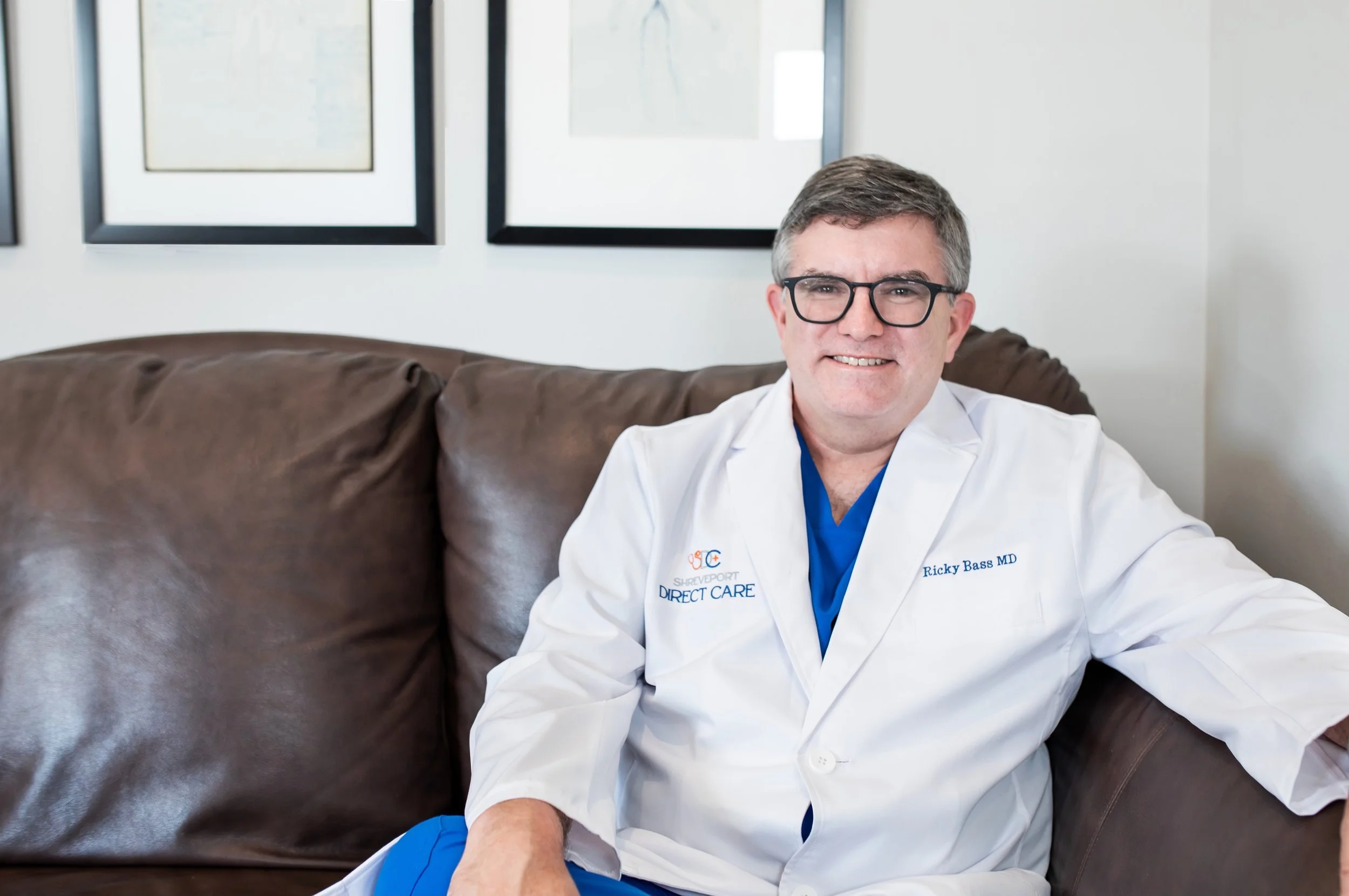
Trusted, Prevention-Focused Care in Shreveport, Louisiana
Forgetting names. Losing your train of thought. Misplacing things more often. These changes can be scary — but they do not always mean dementia.
At Shreveport Direct Care, we help adults and families understand memory changes, identify treatable causes, and protect brain health early — when prevention works best.
This page explains:
What memory loss really means
When memory changes are normal vs concerning
What causes memory problems
What all major experts agree helps protect memory
How we evaluate and support brain health locally in Shreveport
Is Memory Loss a Normal Part of Aging?
Some changes happen with normal aging. Others deserve medical attention.
Common, Normal Changes
Occasionally forgetting names but remembering later
Needing reminders more often
Taking longer to learn new things
Concerning Changes
Repeating the same questions
Trouble managing finances or medications
Getting lost in familiar places
Word-finding problems that worsen
Changes noticed by loved ones
If memory problems affect daily life, it’s time for an evaluation.
What Causes Memory Problems?
Memory loss is not one disease. Many causes are treatable.
Common Medical Causes
Poor sleep or sleep apnea
Depression or anxiety
Vitamin B12 deficiency
Thyroid disease
Medication side effects
Poorly controlled diabetes or blood pressure
Brain-Related Conditions
Alzheimer’s disease
Vascular dementia
Mild cognitive impairment
Early evaluation helps separate reversible problems from progressive disease.
Mild Cognitive Impairment: The Window of Opportunity
Many people fall into a middle category called mild cognitive impairment (MCI).
Memory is worse than expected for age
Independence is mostly preserved
Dementia is not inevitable
This is the stage where prevention has the greatest impact.
What All Memory Experts Agree On
The Shared Foundations of Brain Health
Across neurology, aging research, and dementia prevention, experts consistently agree on the following principles:
1. Brain Health Is Closely Linked to Heart Health
High blood pressure, diabetes, obesity, and high cholesterol damage blood flow to the brain.
Protecting your heart helps protect your memory.
2. Physical Activity Is One of the Strongest Brain Protectors
Regular movement:
Improves memory and focus
Lowers dementia risk
Supports mood and sleep
Even daily walking provides benefit.
3. Sleep Is Essential for Memory
Poor sleep harms attention, learning, and long-term brain health.
Sleep apnea and chronic insomnia should always be evaluated.
4. Diet Directly Affects the Brain
Mediterranean-style eating:
Reduces inflammation
Supports blood vessels
Protects long-term cognition
What you eat matters for memory.
5. Mental and Social Engagement Protect the Brain
Conversation, learning new skills, reading, and staying socially connected all help preserve memory.
Isolation increases dementia risk.
6. Early Evaluation Matters More Than Late Treatment
All major authorities agree:
Waiting delays options.
Early visits allow:
Detection of reversible causes
Identification of MCI
Earlier prevention strategies
How Memory Is Evaluated at Shreveport Direct Care
Memory care requires time, listening, and follow-up.
Your visit may include:
Detailed history from you and family
Cognitive screening tests
Medication review
Sleep and mood assessment
Lab testing (B12, thyroid, metabolic health)
A personalized brain-health plan
We coordinate imaging or specialty care only when needed.
Why Direct Primary Care Works So Well for Memory Health
Memory problems rarely fit into a rushed visit.
With Direct Primary Care:
You see the same doctor every time
Longer, unhurried visits
Same-day or next-day access
Ongoing prevention and coaching
Clear answers without insurance barriers
This model is ideal for early memory concerns.
When Should You Schedule a Memory Check?
You should consider a visit if:
Memory problems worry you or your family
You’ve noticed changes over the last year
You want a baseline memory assessment
You want to reduce future dementia risk
Earlier is always better.
Memory & Brain Health Care in Shreveport, Louisiana
At Shreveport Direct Care, we help adults take control of brain health — before problems grow.
📍 670 Albermarle Drive, Suite 901
📞 Call or text 318-588-7060
🌐 https://www.shreveportdirectcare.com